The experts in Ultrasound Guided Injections
HomePhysio 247 is an independent clinic specialising in Ultrasound-Guided Steroid Injections in London and Hyaluronic Acid Injections to effectively treat a wide range of musculoskeletal conditions.
Understanding Common Knee Injuries - ACL Injury
Causes, Treatment, and Recovery
Knee injuries are among the most prevalent musculoskeletal issues, particularly in athletes and physically active individuals. Among these, Anterior Cruciate Ligament (ACL) ruptures are one of the most serious and commonly occurring injuries. Understanding the causes, treatment options, and recovery timelines can help athletes and patients manage these injuries effectively and prevent long-term complications.
Common Causes of Knee Injuries
The knee is a complex joint that endures significant stress, especially during activities involving sudden stops, pivots, or changes in direction. ACL injuries typically occur when the ligament that stabilizes the knee is overstretched or torn. This can happen during awkward landings, rapid deceleration, or a direct blow to the knee.
Other common knee injuries include meniscus tears, medial collateral ligament (MCL) injuries, and patellar issues. These injuries often result from similar mechanisms—twisting motions, impacts, or overuse—making the knee particularly vulnerable in high-impact and contact sports.
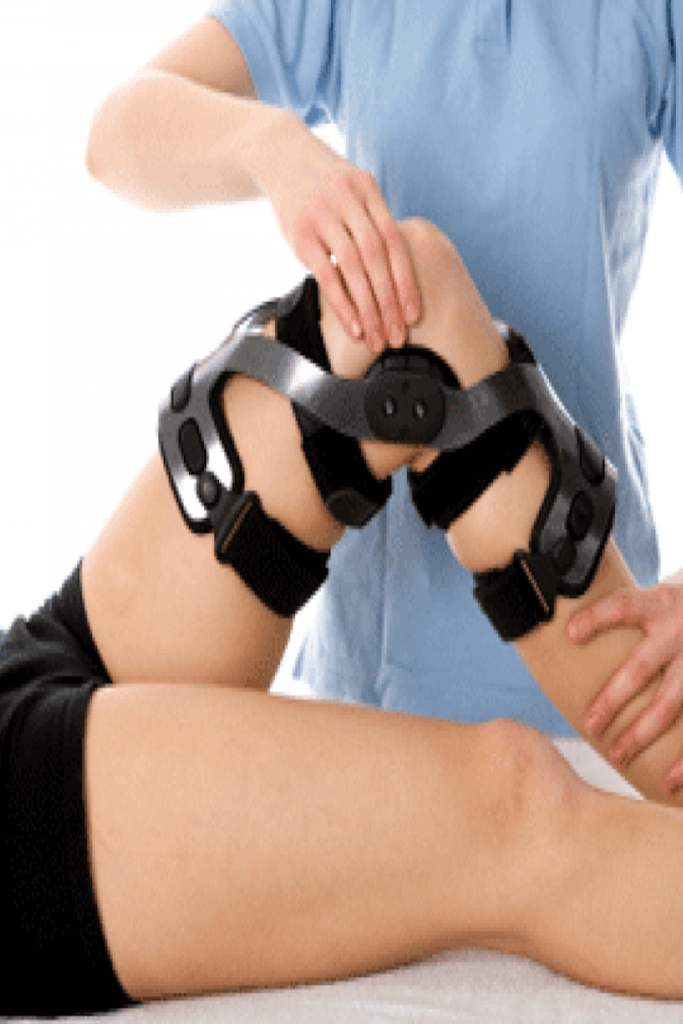
Sports and Athletes Most at Risk
Athletes who participate in sports that require sudden directional changes, jumping, or direct contact are at the highest risk for knee injuries. These sports include:
- Soccer – frequent pivoting and tackling can strain or tear knee ligaments.
- Basketball – jumping and rapid movements pose a risk for ACL and meniscus injuries.
- Football – high contact and abrupt movement contribute to a high incidence of knee trauma.
- Skiing – the twisting force from falls or turns can easily injure the ACL.
- Gymnastics – high-impact landings increase the risk of ligament and cartilage injuries.
Female athletes, in particular, are more prone to ACL injuries due to anatomical and hormonal differences, as well as neuromuscular imbalances.
Treatment Options
Treatment depends on the severity of the injury. Minor sprains and partial tears of the ACL or MCL may be managed conservatively through:
- Rest and immobilisation
- Physical therapy to strengthen surrounding muscles
- Anti-inflammatory medications to reduce pain and swelling
In the case of a complete ACL rupture, especially for active individuals, surgery is often recommended. The most common procedure is ACL reconstruction, where a graft (usually from the patient’s own hamstring or patellar tendon) replaces the torn ligament. Post-surgical rehabilitation is crucial and typically includes physical therapy, strength training, and gradual return to activity.
Recovery Times
Recovery from knee injuries varies widely based on the type and severity:
- Mild sprains or strains: 2–6 weeks
- Meniscus tears (non-surgical): 6–8 weeks
- Meniscus or ligament surgery: 3–6 months
- ACL reconstruction: 9–12 months, depending on the sport and individual progress
Return to play is only recommended when the athlete regains full strength, range of motion, and stability. Rushing recovery can lead to re-injury or chronic instability.
Conclusion
Knee injuries like ACL ruptures are serious but manageable with prompt diagnosis, appropriate treatment, and disciplined rehabilitation. Athletes in high-risk sports should emphasize injury prevention through strength training, flexibility work, and proper technique. With advances in surgical techniques and sports medicine, many athletes can return to their pre-injury performance levels—often stronger and more aware of their body’s limits.