The experts in Ultrasound Guided Injections
HomePhysio 247 is an independent clinic specialising in Ultrasound-Guided Steroid Injections in London and Hyaluronic Acid Injections to effectively treat a wide range of musculoskeletal conditions.
Common Knee Injuries in Sports Players
Understanding and Treating Chondromalacia Patella and Jumper’s Knee
Knee injuries are among the most prevalent issues faced by sports players, whether amateur or professional. Due to the complex structure of the knee joint and the heavy demands placed on it during sports activities, it is especially vulnerable to injury. Two common conditions seen in athletes are chondromalacia patella and jumper’s knee (also known as patellar tendinopathy). Understanding these injuries, along with their treatment and recovery expectations, is crucial for a safe and successful return to play.
Chondromalacia Patella
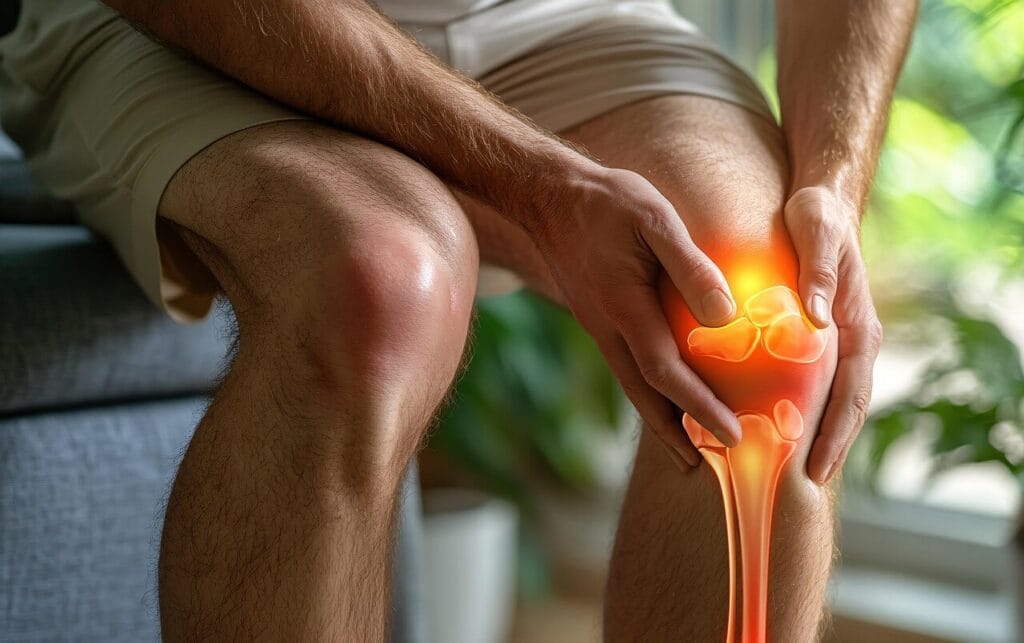
Chondromalacia patella, also referred to as patellofemoral pain syndrome, occurs when the cartilage on the underside of the patella (kneecap) becomes softened or damaged. This condition is especially common in runners, cyclists, soccer players, and athletes involved in activities requiring frequent knee bending or squatting.
Symptoms:
- Dull, aching pain in the front of the knee
- Pain worsened by climbing stairs, squatting, or sitting for long periods
- Grinding or clicking sensations when bending the knee
Causes:
- Overuse or repetitive stress on the knee
- Muscle imbalances or misalignment of the patella
- Trauma to the kneecap
Treatment:
The primary approach is conservative treatment, including:
- Rest and Activity Modification: Reducing activities that aggravate the condition.
- Physical Therapy: Focused on strengthening the quadriceps, glutes, and core muscles to improve patellar tracking and reduce joint stress.
- Ice Therapy and Anti-inflammatory Medications: To manage pain and swelling.
- Knee Bracing or Taping: To support proper patellar alignment.
Recovery Time:
Recovery typically takes 4 to 8 weeks, depending on the severity of the condition and adherence to rehabilitation. In chronic cases, recovery might take up to 3 months or longer.
Jumper’s Knee (Patellar Tendinopathy)
Jumper’s knee refers to injury and inflammation of the patellar tendon, which connects the kneecap to the shinbone. It is commonly seen in athletes who perform repetitive jumping motions, such as basketball players, volleyball players, and high jumpers.
Symptoms:
- Pain and tenderness at the base of the kneecap
- Swelling or thickening of the tendon
- Pain that worsens with activity, especially jumping or running
Causes:
- Repetitive stress from jumping and landing
- Sudden increases in training intensity or volume
- Inadequate warm-up or poor biomechanics
Treatment:
Management focuses on reducing strain on the tendon and promoting healing:
- Relative Rest: Decreasing high-impact activities while maintaining low-impact exercise.
- Eccentric Strengthening Exercises: Especially targeting the quadriceps to improve tendon load tolerance.
- Ice and NSAIDs: For symptom relief.
- Shockwave Therapy or PRP Injections: Used in more persistent cases to stimulate healing.
- Biomechanical Corrections: Including footwear changes or orthotics if needed.
Recovery Time:
Mild cases may recover in 6 to 8 weeks, but more significant tendon pathology often requires 3 to 6 months of rehabilitation. Chronic or neglected cases may require a year or more and sometimes surgical intervention.
Prevention and Maintenance
To prevent both chondromalacia patella and jumper’s knee, athletes should:
- Warm up properly before activity
- Incorporate strength training, particularly of the core and lower limbs
- Avoid sudden increases in training load
- Use proper footwear and playing surfaces
- Cross-train to reduce repetitive strain
Knee injuries like chondromalacia patella and jumper’s knee are common in sports and can significantly hinder performance if not properly addressed. With early recognition, appropriate rehabilitation, and load management, most athletes can make a full recovery and return to their sport. However, patience is key, as rushing recovery often leads to recurrence or chronic issues. Working closely with healthcare professionals such as physiotherapists or sports medicine doctors is essential for optimal outcomes.